
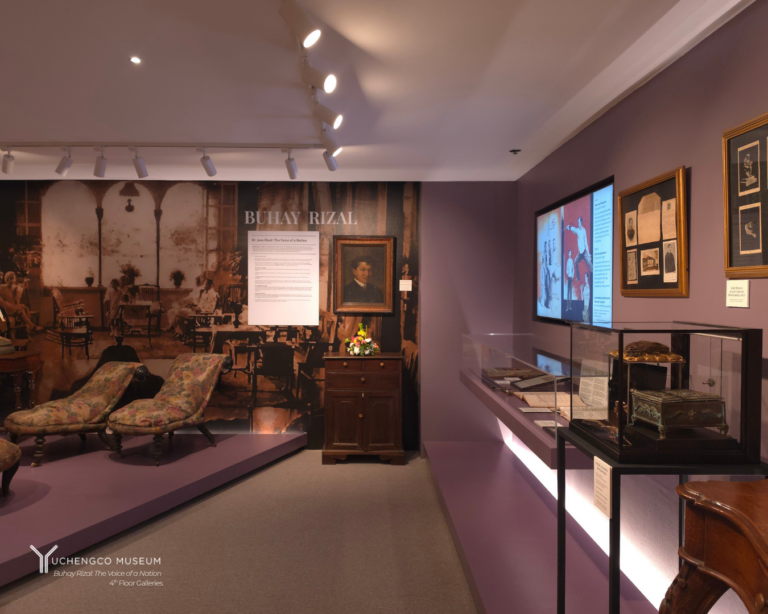
Jose Rizal (1861-1896) was an activist, journalist, poet, and doctor who called for the peaceful reform of Spanish colonial rule in the Philippines. To Filipinos, he is known as a national hero and one of the greatest champions of nationalism.
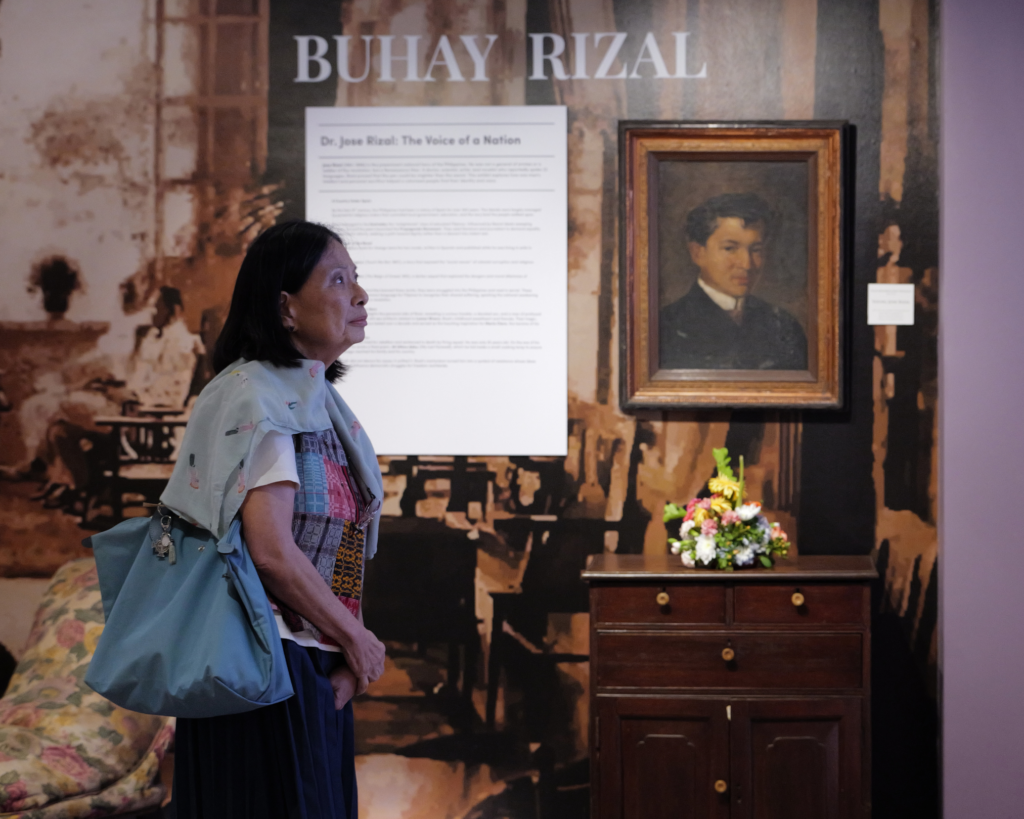
National hero of the Philippines and Pride of the Malay Race—a renaissance man, writer, poet, doctor, linguist, artist, and scholar.
Born in Calamba, Laguna in southern Luzon, Rizal was a brilliant student. In 1882, he traveled to Spain to complete his medical degree. While in Europe, Jose Rizal became part of the Propaganda Movement, connecting with fellow Filipinos who wanted reform. He wrote his first novel, Noli Me Tangere (Touch Me Not/The Social Cancer), a work that detailed the discrimination of the Spanish colonial government and Catholic friars. Because of this novel, Rizal’s return to the Philippines in 1887 was cut short when he was targeted by authorities.
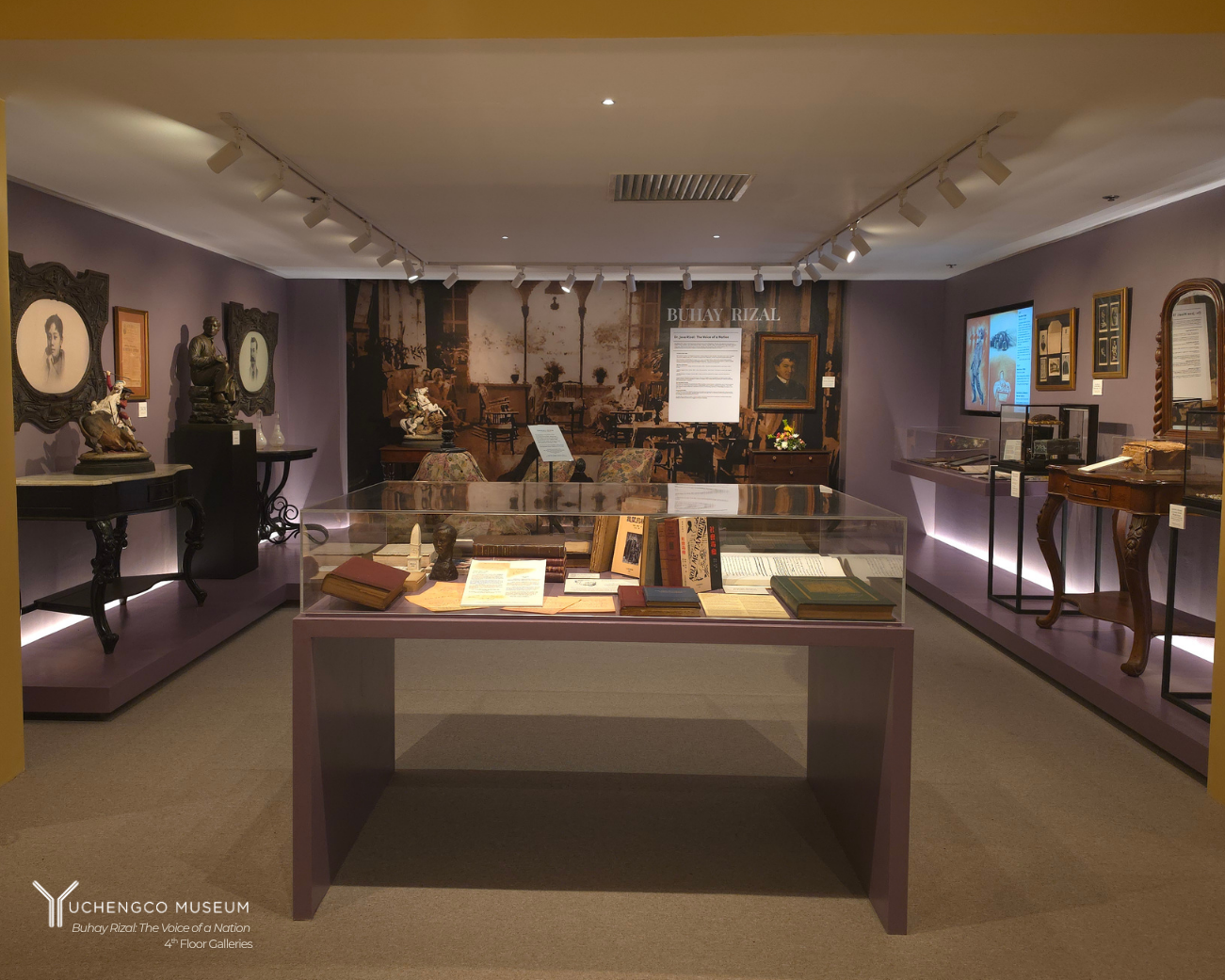
Rizal’s landmark novels, Noli me Tangere (Touch Me Not, 1886) and El Filibusterismo (The Rebel, 1891), though written in Spanish, published abroad and were banned in the Philippines, were smuggled in and inspired leaders of the reformist and revolutionary movements around the country. He founded “La Liga Filipina,” the reformist organization that aimed to change, through peaceful means, the way the Spanish colonial government ruled the Philippines.
When the Philippine Revolution started on August 26, 1896, he was accused of rebellion, sedition, and illegal organization of secret societies, he was imprisoned at Fort Santiago. In his prison cell, he wrote a poem now known as “Mi Ultimo Adios” which is considered a masterpiece and a living document expressing not only the hero’s great love of country but also that of all Filipinos. After a mock trial, he was convicted and sentenced to death by firing squad. In the cold morning of December 30, 1896, Rizal, a man whose 35 years of life had been packed with varied activities, which proved that, the Filipino has the capacity to equal if not excel even those who treat him as a slave, was shot at Bagumbayan field.
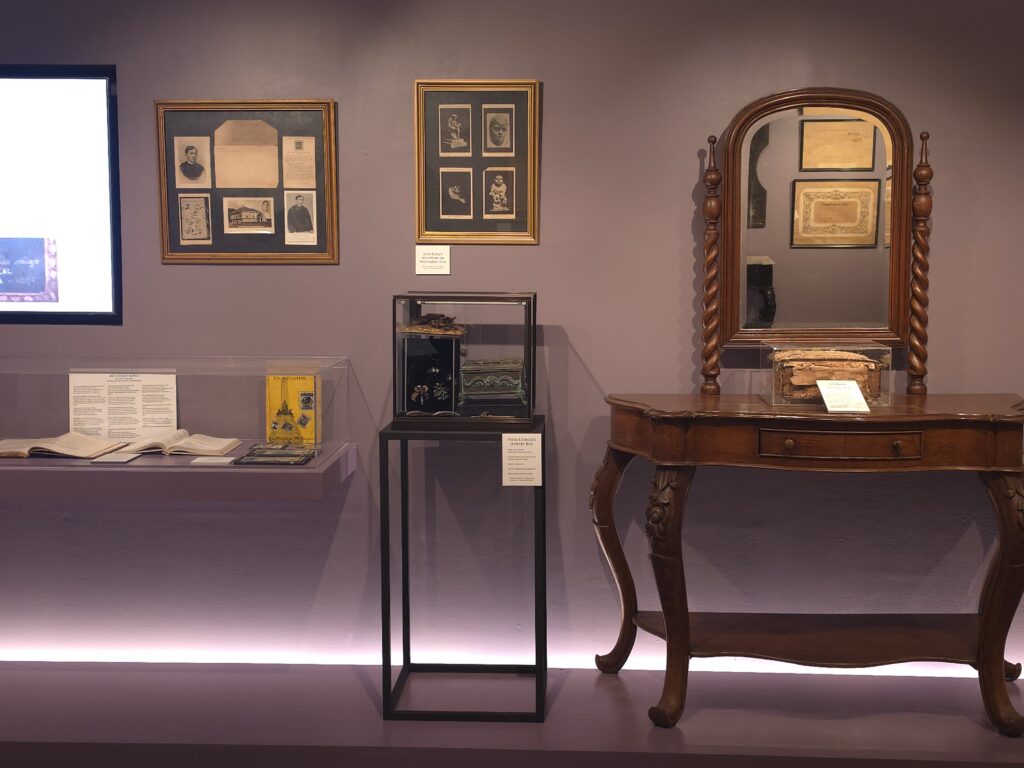
Buhay Rizal: Portrait of a Nation is on view at the Yuchengco Museum, open daily from 10AM–6PM except on Sundays.
